Ask and We Answer
FREQUENTLY ASKED QUESTIONS
What is a ‘National Certified Interpreter’?
A Nationally Certified Interpreter is a professional who has earned independent verification of their skills through the Registry of Interpreters for the Deaf (RID). This certification provides nationwide recognition of an interpreter’s knowledge, accuracy, and ability to deliver interpreting services across diverse settings and languages. (Learn more >>)
At Friends Interpreting Services (FIS), we require all of our interpreters to hold national certification. This means every interpreter on our team has been rigorously vetted by an independent third party to ensure the highest standards of quality.
When you work with FIS, you can trust that your interpreter is:
- Fluent in both receptive and expressive sign language interpretation
- Accurate, effective, and professional in all settings
- Knowledgeable in everyday language as well as specialized industry terminology (healthcare, legal, education, government, and more)
National certification is your assurance that you will receive interpreting services that are reliable, professional, and inclusive.
Does the law require me to hire an ASL Interpreter?
Yes. Under the Americans with Disabilities Act (ADA), organizations must provide effective communication for individuals who are Deaf or Hard of Hearing. This includes ensuring that any interpreter hired is qualified to:
Accurately understand and use sign language in the form best understood by the individual.
Interpret faithfully and impartially, without adding personal opinions or emotions, while conveying the speaker’s tone and intent.
Use specialized vocabulary clearly and effectively so that technical or industry-specific information is fully accessible.
At Friends Interpreting Services, we exclusively work with certified interpreters, giving you confidence that your interpreter has the skills, training, and professionalism needed to ensure clear, accurate, and seamless communication for all parties.
How do I use a sign language interpreter?
A sign language interpreter is a trained professional who facilitates communication between individuals who use American Sign Language (ASL) and those who do not.
Interpreters play a vital role in businesses, schools, healthcare, government, and other organizations when interacting with people who are Deaf or Hard of Hearing. Under the Americans with Disabilities Act (ADA), entities are required to ensure that communication with individuals who are Deaf or Hard of Hearing is “as effective as communication with people without disabilities.”
Importantly, an interpreter’s role is to remain neutral and impartial. They do not give personal opinions, advice, or support to either party. Their sole responsibility is to faithfully and accurately convey the message, ensuring both sides can communicate with equal understanding.
Why do I need an interpreter?
To ensure clear and accurate communication, businesses, schools, medical practices, and other organizations are required to provide a sign language interpreter when requested.
Interpreters do more than just facilitate conversation—they help reduce the risk of cultural misunderstandings and support organizations in creating an environment that is accessible, inclusive, and compliant with the law. By engaging a qualified interpreter, you not only meet legal requirements but also demonstrate respect, equity, and commitment to effective communication for all.
Does the law require me to hire an interpreter?
The U.S. Department of Justice directly states that “Covered entities must provide aids and services when needed to communicate effectively with people who have communication disabilities.” – source
According to the Americans with Disabilities Act (ADA), any place of business or organization is not allowed to discriminate against individuals by denying unequal access to any given services or events. And so, any business or organization must be ready, willing, and able to hire a sign language interpreter at their own expense in order to meet the needs of these individuals and provide equal access to regular communication.
While there are some exemptions to this law, it is best to consult your legal professional for further aid and information.
Can I use a family member as an interpreter?
While family members may communicate using sign language, it is not best practice to rely on them as interpreters in medical, business, legal, or other professional settings.
There are several important reasons:
- Specialized Terminology – Professional fields such as healthcare, law, or education use vocabulary that may not be familiar in everyday conversation. A family member may lack the training to interpret these terms accurately.
- Privacy & Confidentiality – Sensitive information may not be shared openly if a family member is interpreting, leading the Deaf or Hard-of-Hearing individual to withhold important details.
- Accuracy & Completeness – Untrained interpreters are more likely to omit, add, or alter information, even unintentionally, which can cause misunderstandings or miscommunication.
For these reasons, the ADA and professional guidelines strongly recommend the use of qualified, certified interpreters. This ensures that communication is accurate, confidential, and effective for all parties involved.
Is it okay to use a staff member or volunteer who knows some sign language?
While a staff member or volunteer may know some sign language, their skills are often not sufficient for professional interpreting. It can be difficult to assess their ability to handle specialized terminology, complex conversations, or sensitive information accurately.
For this reason, it is always best practice to use a qualified, certified interpreter to ensure clear, accurate, and compliant communication.
Why can’t someone just read lips?
It’s a common misconception that people who use sign language can also rely on lip reading. In reality, lip reading is not a reliable form of communication. Research shows that only about 30% of spoken words can be accurately understood through lip reading, leaving nearly 70% of the conversation unclear and vulnerable to miscommunication.
Additionally, effective lip reading depends not only on the individual’s skill but also on the speaker’s clarity, pace, and visibility (good lighting, no facial obstructions, clear articulation). These conditions are not always present in everyday or professional settings.
While some Deaf or Hard-of-Hearing individuals may have developed strong lip-reading abilities, this is not universal—and it should never be assumed as a substitute for providing a qualified sign language interpreter.
How many interpreters do I need?
For any assignment scheduled to last 1.5 hours or longer, it is required to have two (2) interpreters.
This standard exists because interpreting is both mentally and physically demanding. After about 45 minutes of continuous interpreting, the quality of communication begins to decline. Having a team of interpreters ensures proper rest breaks and maintains the highest level of accuracy throughout the assignment.
When working as a team, interpreters share responsibilities:
One provides the active interpretation.
The other monitors for accuracy, manages timing, and provides support to prevent miscommunication.
Interpreters switch roles at regular intervals to maintain clarity and effectiveness.
These practices are based on established professional guidelines and ensure that Deaf and Hard-of-Hearing individuals receive the most accurate communication possible. For specific legal or compliance questions, it is always best to consult with a qualified advisor.
How soon do I need to notify Friends Interpreting Services to schedule an interpreter?
Please send your request for American Sign Language interpreter services requests as soon as possible
We have been able to provide one for Video Remote Interpreting in as little as a 30-minute notice.
It is best to keep in mind that there are a limited number of interpreters who are available, and that extra time should be considered for how long it takes to contact an interpreter and to allow adequate travel time.
What will it look like having an interpreter?
When an interpreter is used, they are expected to sit or stand across from the Deaf or hard of hearing person and close to the person who is doing the speaking.
The person speaking should talk at the Deaf or hard of hearing person directly, rather than towards the interpreter.
The interpreter will sign the words the speaker is saying to the Deaf or hard of hearing person and in turn will watch the signs that the Deaf or hard of hearing person is using in order to relay the information to the individual who does not know ASL.
Where do professional interpreters work?
Someone who decides to become a professional interpreter can work in a number of different settings depending on their passion as well as their skillset. These places include private practices, in a political sector, specialized businesses or agencies, any level of the school system, and even as self-employed consultants. This job requires a high level of flexibility and professional training.
Can interpreting services be tax deductible?
Yes. In many cases, a portion of the cost for interpreting services may be tax deductible. However, the specific details can vary depending on your organization’s circumstances. We recommend consulting with your financial advisor or tax professional to determine how these deductions apply to you.
What is CART?
Computer-Assisted Real-Time Transcription (CART) is a service that provides instant, word-for-word speech-to-text captions. CART allows individuals who are Deaf or Hard of Hearing to fully follow live conversations, events, classes, or broadcasts.
Using specialized software and highly trained captioners, CART delivers accurate, real-time captions, making communication more inclusive and accessible in settings such as education, legal proceedings, healthcare, government, and public events.
For More Information
- National Association of the Deaf (NAD.org)
- NAD Advocacy Resources
- Registry of Interpreters for the Deaf (RID.org)
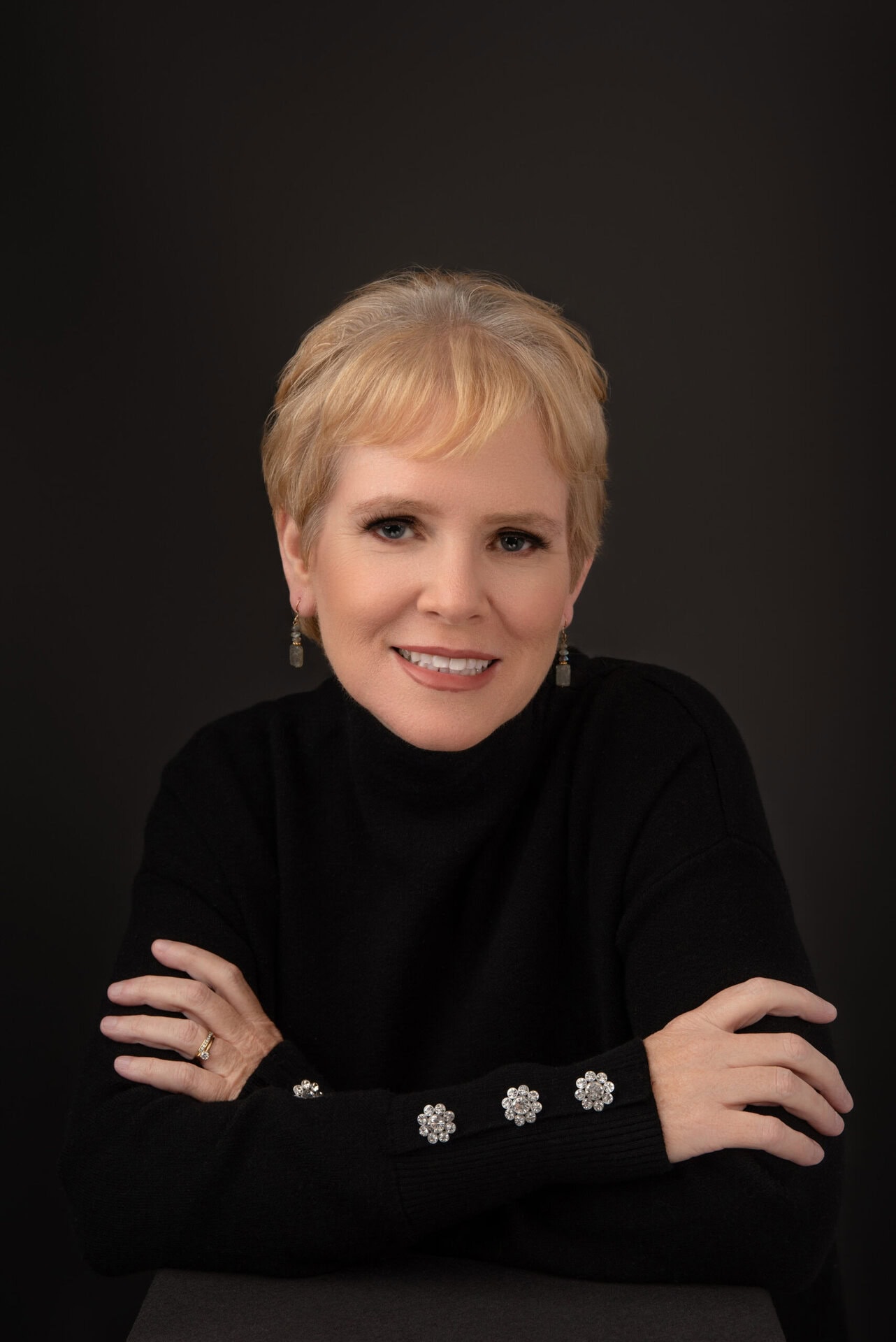
Founder, CEO, and Owner Alli